

Custom care at WayB
Custom care at WayB starts with assessing skin thickness, facial tissue and volume distribution to plan the treatment, intensity or amount, and sequence for each person.
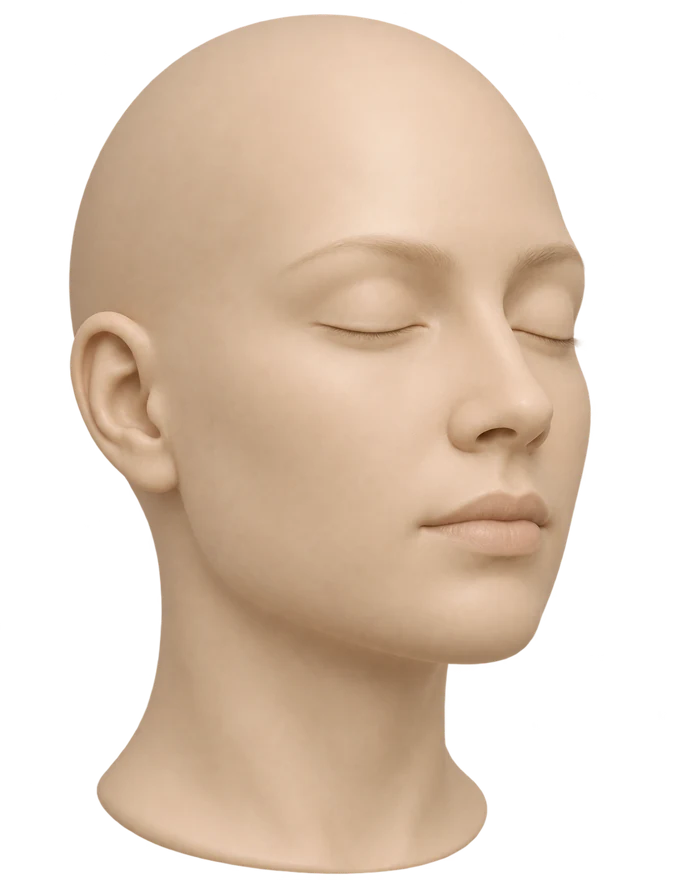
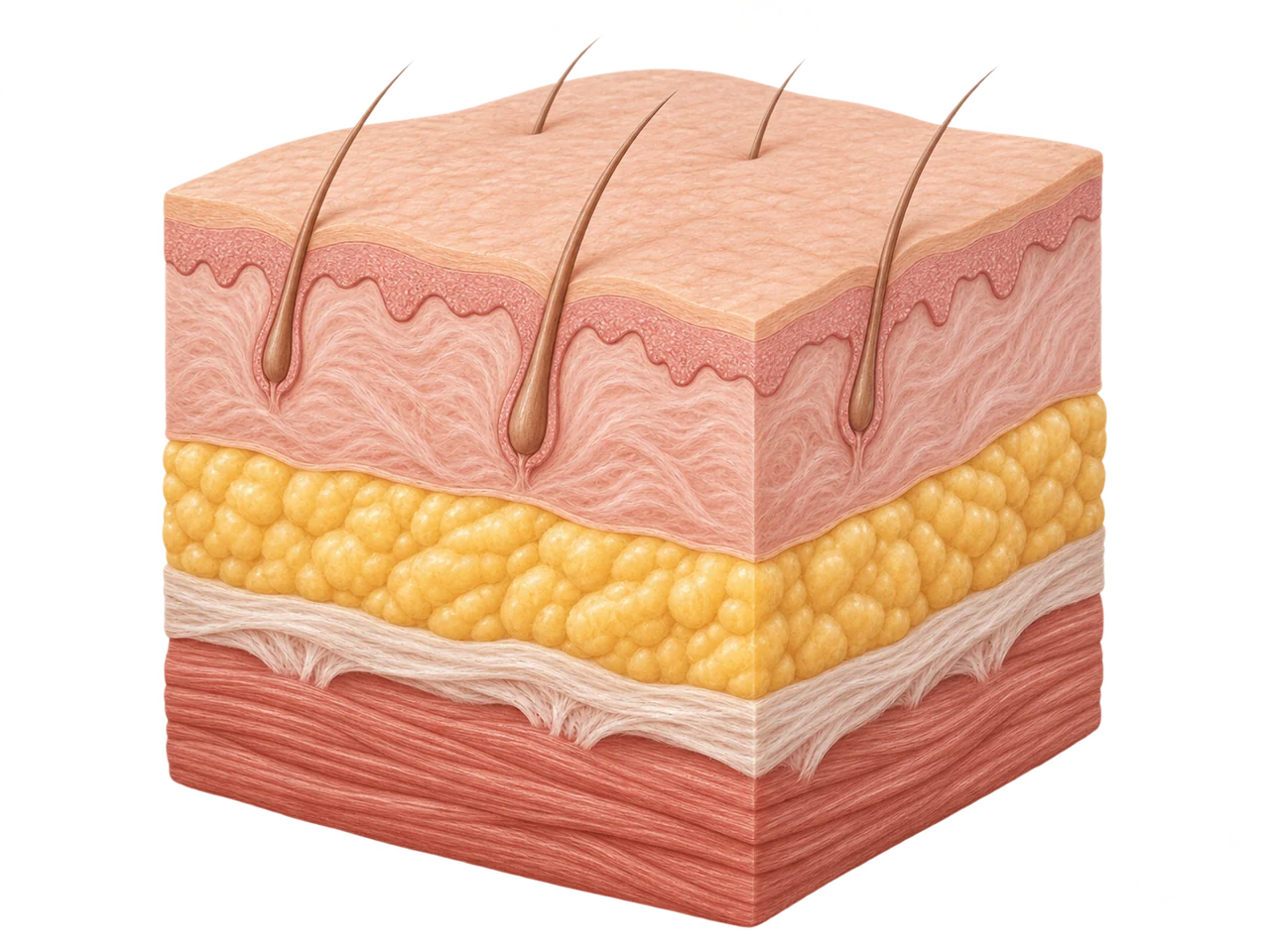
What do we look at in each layer?
Texture, heaviness, laxity and loss of volume can look similar from the outside. These are aspects your clinician may assess when discussing a treatment plan.
Epidermis & dermis
When texture or firmness is the concern, your clinician checks the condition and thickness of the skin and discusses options for the area.
Subcutaneous fat
When the contour looks heavy, your clinician checks where volume is distributed. Other facial structures can also influence the outline.
Superficial fascia (SMAS)
When laxity is a concern, your clinician considers the skin, fat distribution and supporting tissues. The supporting structures can vary across areas even where laxity looks similar.
Facial muscle
These muscles move when you speak or make expressions. We look at how facial movement changes your expression compared with when your face is at rest.
From consultation to treatment planning

- If EVE MUSE imaging is used, review facial contours and volume distribution together.
- Discuss skin thickness and tissue condition during the clinician’s assessment.
- Discuss options, settings or amounts, sequence and any longer-term plan.
Comfort at WayB when pain is a concern
Tell us what worries you about pain during your consultation. Let your clinician know if you feel discomfort during treatment, and find the aftercare instructions on our website afterwards.
Explore pain and comfort guidanceWhy does skin thickness matter?
People with similar concerns can need different plans. Your clinician considers skin thickness alongside tissue condition, treatment history and your goals.
Questions about custom treatment planning
What is custom lifting?
It is an individual plan based on where laxity is visible and on the skin and underlying tissues assessed during a consultation.
Why do people with similar concerns receive different treatments?
Skin thickness, firmness and volume distribution can vary. The clinician uses the assessment to decide which concern to address first.
Would Ultherapy PRIME or Onda suit me?
The devices use different technologies. A clinician can discuss which is suitable after checking the area, the type of laxity or contour concern and the surrounding tissue.
What comes first if I have thin skin?
Skin thickness is one part of the decision. The area, tissue condition and previous treatments also inform the sequence.
How is EVE MUSE imaging used?
When imaging is used, the images are reviewed together to discuss contours and volume distribution. The clinician also considers findings from the consultation.
How is this different from a fixed package?
Your plan starts with the consultation and assessment. You can discuss the options and their order before deciding whether to proceed.