English

Select language LANGUAGE

한국어KakaoTalk consultation
EnglishWhatsApp consultation
日本語LINE consultation
中文 (繁體)LINE consultation
Choose your language
Book

Skin Tone · Laser

Fotona StarWalker PicoNanoToning

Fotona StarWalker is a laser treatment for melasma, spots and uneven tone. It combines short picosecond micropulses with nanosecond energy delivery, tailored to pigment and response.

Reviewed by the medical team · 2026.09.14
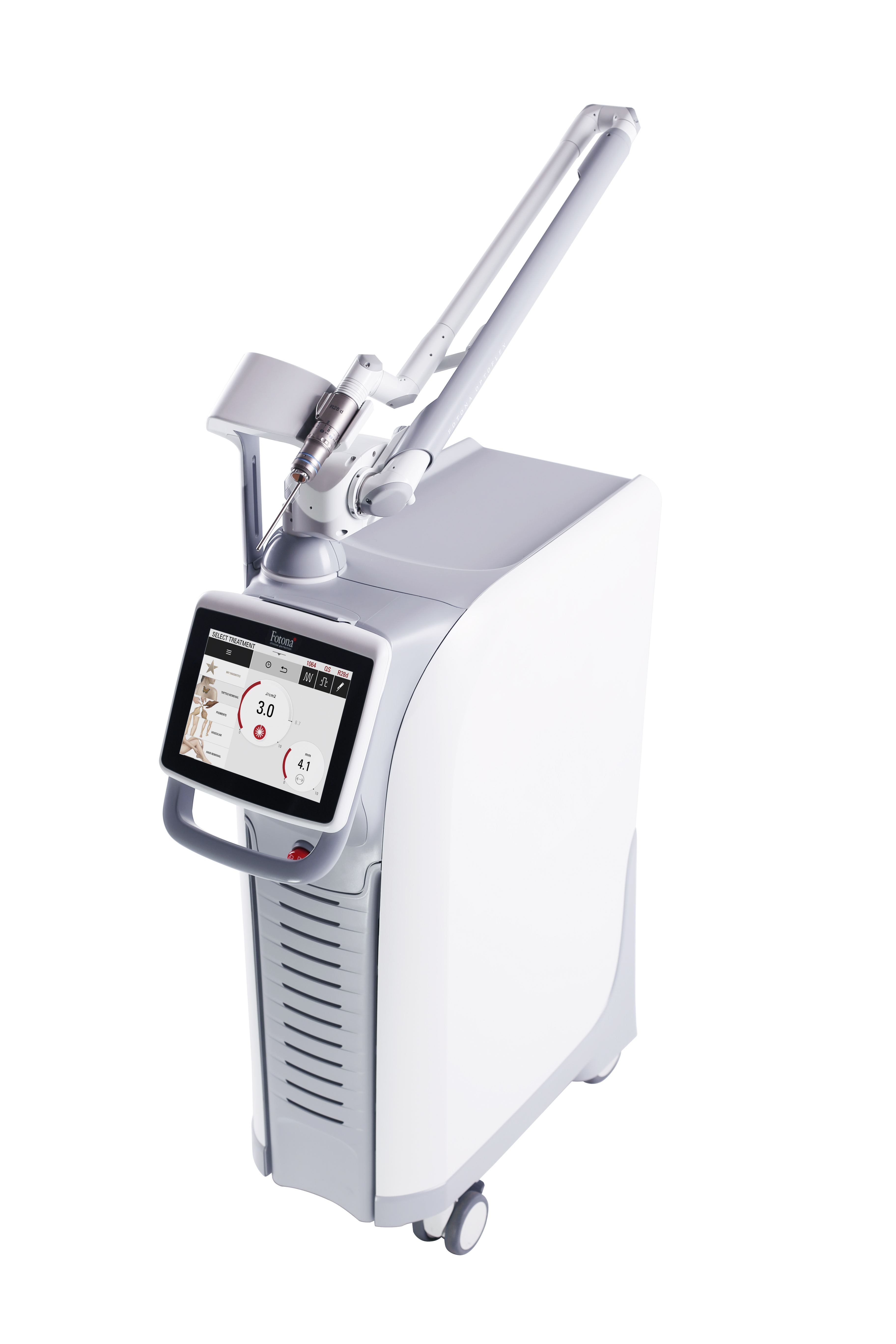
Fotona StarWalker · manufacturer or supplier reference image

At a glance

Treatment at a glance
ItemDetails
DeviceFotona StarWalker
Main concernsMelasma · Spots · Uneven tone
Pulse featuresCombining picosecond micropulses and nanosecond energy delivery
Base wavelengths1064nm · 532nm, selected for pigment and skin
Sessions · IntervalsToning: 5–10 sessions 2–4 weeks apart as a reference, adjusted to response
RecoveryRedness may last 1–2 days after toning; irritation such as folliculitis may occur

What is Fotona StarWalker PicoNanoToning?

StarWalker toning uses laser absorption by pigment to address melasma, spots and tone. Pigment type/depth can vary within one face, requiring area-specific wavelengths, intensity and delivery.

We distinguish recurring pigment such as melasma from localized spots. Unusual shapes or colors may require separate examination before toning.

What are picoseconds and nanoseconds?

Picoseconds and nanoseconds measure very short energy-delivery durations: one trillionth and one billionth of a second, respectively.

StarWalker delivers short picosecond micropulses inside nanosecond energy packets, combining brief high power with sufficient pulse energy to act on pigment.

Pulse duration alone does not determine outcomes. Wavelength, intensity, pigment type and sensitivity all matter.

How does it differ from pico toning?

Pico toning uses picosecond lasers for pigmentation. StarWalker combines picosecond micropulses with nanosecond energy delivery; its structure differs from a dedicated pico laser. Suitability depends on pigment patterns and response.

If exploring pico toning, tell us previous laser types, sessions, results and irritation. We choose toning for your current skin together.

Who may be suitable?

  • When both melasma and spots concern you
  • When uneven tone or pigment makes skin look dull
  • When you want ongoing care for recurrent melasma
  • When you want to adjust the approach based on previous toning results or irritation
  • When you also want to discuss texture and pores with pigment

Tell us before treatment

Disclose recent strong sun exposure or tanning, local inflammation, infection or herpes, pregnancy, medications, photosensitivity, keloid history and previous post-laser pigmentation.

How does it work?

Laser energy absorbed by pigment acts on particles. We select 1064nm/532nm for pigment and skin, adjusting intensity and repetitions by area.

Toning repeatedly addresses broad pigmentation and tone. Local spots may use other settings; pores, texture and scars require separate treatment decisions.

When do results begin?

Some notice tone changes after 3–5 sessions. Planning often references 5–10 sessions 2–4 weeks apart, adjusted for response and pigment.

Local spots sometimes change after one treatment, but progress is assessed after crusts settle. Melasma can recur with UV and hormonal influences; sunscreen and maintenance matter.

How is the treatment performed?

  1. Assessment · Skin check: We assess pigment color/distribution, redness and sensitivity, using EVE MUSE images if needed.
  2. Treatment plan: Wavelength, pulse and intensity follow pigment type.
  3. Laser treatment: We monitor skin response. A session usually takes about 20–30 minutes, varying with scope and method.
  4. Soothing · Guidance: We soothe skin and explain sunscreen and recovery.

Recovery & Precautions

Flushing/redness may persist 1–2 days; folliculitis or small pimples may occur. Recovery varies with skin and intensity.

Local spot treatment or stronger settings may leave redness and fine crusts for 3–7 days. Do not pick crusts. Maintain moisturizing and sunscreen; pause exfoliants, scrubs and irritating cosmetics until settled.

Report blisters, weeping, worsening pain, prolonged redness, whitening or darkening pigmentation.

How we proceed at WayB

  • We review previous laser experiences, including pico toning, and skin response.
  • We plan by pigment type/distribution, redness and sensitivity.
  • Instead of one strong stimulus, we adjust intensity and intervals to skin tolerance.
  • We consider UV exposure and important events, and monitor changes afterward.

Related Treatments

04 · QUESTIONS

Frequently Asked Questions

Does StarWalker use picoseconds and nanoseconds together?

StarWalker's technology delivers picosecond micropulses within nanosecond energy packets. It differs structurally from dedicated picosecond lasers; settings follow skin and pigment type.

Is it better than pico toning?

Device names or pulse durations alone do not define superiority. Suitability varies with melasma versus spots, sensitivity and previous response.

How many sessions do I need?

Toning generally uses 5–10 sessions 2–4 weeks apart as a reference. Spots and melasma differ; we adjust to response.

Is it very painful?

A light snapping sensation may occur. Toning usually needs no anesthesia, but topical anesthesia may be used for stronger settings or scope.

Can I apply makeup immediately after treatment?

Reduce irritation while redness or sensitivity remains. Redness may last 1–2 days after toning; crust-forming treatments have separate recovery guidance.

Will melasma disappear completely?

Melasma has many recurrence factors and needs ongoing care. Continue sunscreen and lifestyle care alongside laser, with maintenance according to skin.

My pigmentation looks darker afterward.

The area may temporarily darken or develop fine crusts. It may also be post-inflammatory pigmentation or another response; report unexpected changes.

References

References for general treatment information. Please confirm your individual plan with the medical team.

It is okay to feel nervous about your first treatment.
You are welcome to visit even if you have not decided which treatment to choose.

Consultation inquiry