English

Select language LANGUAGE

한국어KakaoTalk consultation
EnglishWhatsApp consultation
日本語LINE consultation
中文 (繁體)LINE consultation
Choose your language
Book

Volume · Design

Shoulder Filler

Shoulder Filler uses hyaluronic acid filler where needed to refine contours, considering proportions and asymmetry across the neck, collarbones and shoulders. We first assess shoulder slope, muscles and your desired silhouette, then determine product, amount and whether to combine treatment such as trapezius botulinum toxin. Duration and recovery vary by product, area and individual.

Reviewed by the medical team · 2026.09.14
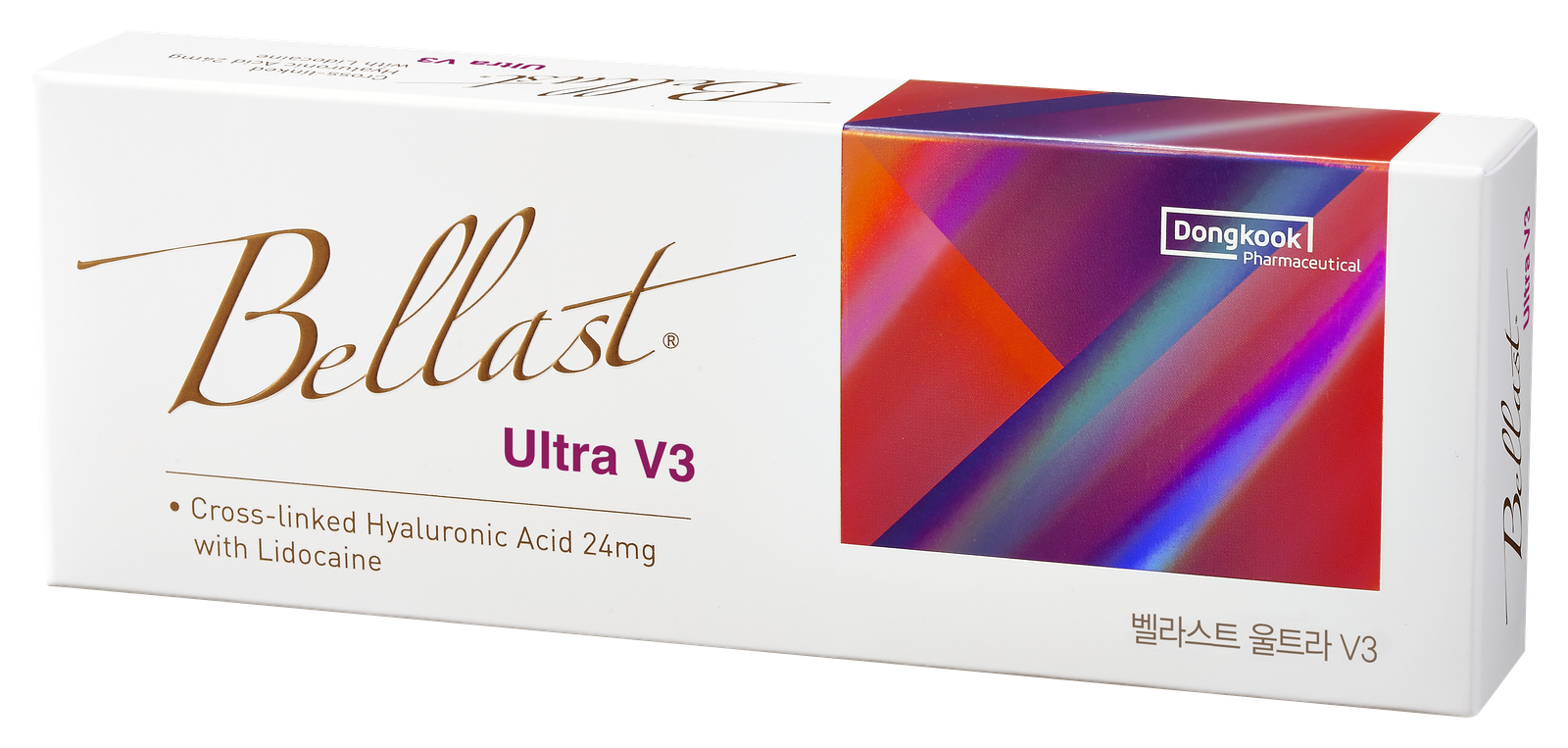
Bellast · manufacturer or supplier reference image
Bellast Ultra V3 (3.0ml) · Shoulder filler product

At a glance

Treatment at a glance
ItemDetails
Ingredients · MechanismHigh-viscosity crosslinked HA filler fills deficient shoulder/collarbone areas to adjust proportions
Suitable candidatesSquare-shoulder goals, narrow-looking shoulders, face/neck/shoulder proportions or height asymmetry
Treatment timeAbout 30–40 minutes
Anesthesia · Pain levelTopical anesthesia; lidocaine varies by product. Mainly pressure, with stinging at needle entry.
Onset of resultsImmediate; assess actual result after swelling settles in 1–2 weeks
DurationVaries with product, amount, area and response. Explained beforehand for the actual product.
Suggested sessions · IntervalsSupplement if needed 1–2 weeks after the first session
DowntimeSwelling 3–7 days · Bruising 7–14 days
Main adverse effectsSwelling, bruising, tenderness, asymmetry and nodules; vascular complications possible
Product usedExplained beforehand; actual amount may change during treatment

What determines shoulder contours?

Different starting points explain different results from the same procedure. WayB first checks three things.

  1. Neck length and collarbone contours — Distinguish deficient shoulder volume from trapezius tension as the reason the neck looks short.
  2. Shoulder slope and asymmetry — Bag-carrying habits and posture often create differences between sides.
  3. Trapezius condition — Developed or tense muscles may prevent filler alone achieving your desired line.

Sequence

StepAssessmentWhat is decided
1. ProportionsNeck–collarbone–shoulder proportions, asymmetry and desired silhouetteTarget contour
2. Amount & Area DesignWhere and how much is neededProduct and amount, determined after assessment
3. Combined OptionsMuscle condition, contraindications and scheduleWhether to combine trapezius toxin

Step 3 is especially important. Adding shoulder volume when trapezius muscles are developed may make contours thicker. We address muscle first, then assess volume.

Who may be suitable?

  • A short-necked, raised-shoulder appearance
  • When collarbone contours look obscured
  • When shoulder-height differences concern you; posture/muscle/bone causes may not suit filler, so assessment comes first
  • When you want defined, tidy, square-looking shoulders
  • When narrow shoulders affect facial/neck/shoulder proportions and you want more balance

What to check before treatment

  • If trapezius development is the cause: Consider toxin first.
  • Acute shoulder/arm inflammation or wounds
  • Pregnancy/breastfeeding or increased bleeding risk, including anticoagulants
  • Jobs involving frequent heavy lifting: Carefully assess whether to combine trapezius toxin.

When do results appear, and how long do they last?

  • Immediately afterward: Shape changes are immediate, mixed with swelling.
  • 1–2 weeks: As swelling settles, true contours emerge. We then judge further correction.
  • It varies by product, amount, area and response. We explain before treatment based on the actual product.

The shoulder's broad area may need more product than the face. Staying within needed scope matters.

Recovery & Precautions

  • Swelling 3–7 days; bruising 7–14 days. Allow 2 weeks before important events.
  • Avoid saunas, strenuous exercise and alcohol for 48 hours.
  • Avoid heavy bags or strong pressure on the area for several days.

Injection adverse effects

Filler can cause bruising, swelling, pain, asymmetry, nodules and vascular complications; toxin can cause weakness and movement difficulty. Symmetry or changed neck length cannot be guaranteed. Assessment and counseling are needed.

Contact the clinic if this occurs

  • If severe swelling or progressively worsening pain occurs
  • When asymmetry feels marked
  • Difficulty raising arms or moving shoulders
  • If skin color changes, or heat/fever occurs

How we proceed at WayB

  • We set goals by assessing neck/collarbone/shoulder proportions and needed volume.
  • For developed trapezius muscles, we suggest addressing muscle before simply adding filler.
  • We explain feasible one-session changes, limitations and product beforehand. Actual amount may change during treatment as tissue and balance are assessed.

Related Treatments

04 · QUESTIONS

Frequently Asked Questions

How long does Shoulder Filler last?

It varies by product, amount, area and response. We explain before treatment based on the actual product.

Must trapezius toxin be combined?

Often combined when trapezius development or tension is high. Muscle weakening takes 2–4 weeks; assessment guides sequence and intervals.

Can I receive it if I exercise a lot?

It depends on exercise type and intensity. Trapezius toxin requires caution with frequent heavy lifting.

How long does swelling last?

About 3–7 days; bruising may last 1–2 weeks. Assess contours after 1–2 weeks.

Can the full desired amount be injected at once?

We assess current shoulders and goals, explain feasible changes and limits, and identify the product beforehand. Actual amount may vary during treatment. Further correction is judged after swelling settles.

References

References for general treatment information. Please confirm your individual plan with the medical team.

It is okay to feel nervous about your first treatment.
You are welcome to visit even if you have not decided which treatment to choose.

Consultation inquiry