English

Select language LANGUAGE

한국어KakaoTalk consultation
EnglishWhatsApp consultation
日本語LINE consultation
中文 (繁體)LINE consultation
Choose your language
Book

Lifting · Firmness

Ultherapy PRIME

A lifting treatment that delivers focused ultrasound energy while viewing tissue with real-time ultrasound imaging. We assess skin thickness, sagging and previous treatments to plan the scope and depth.

Reviewed by the medical team · 2026.09.14
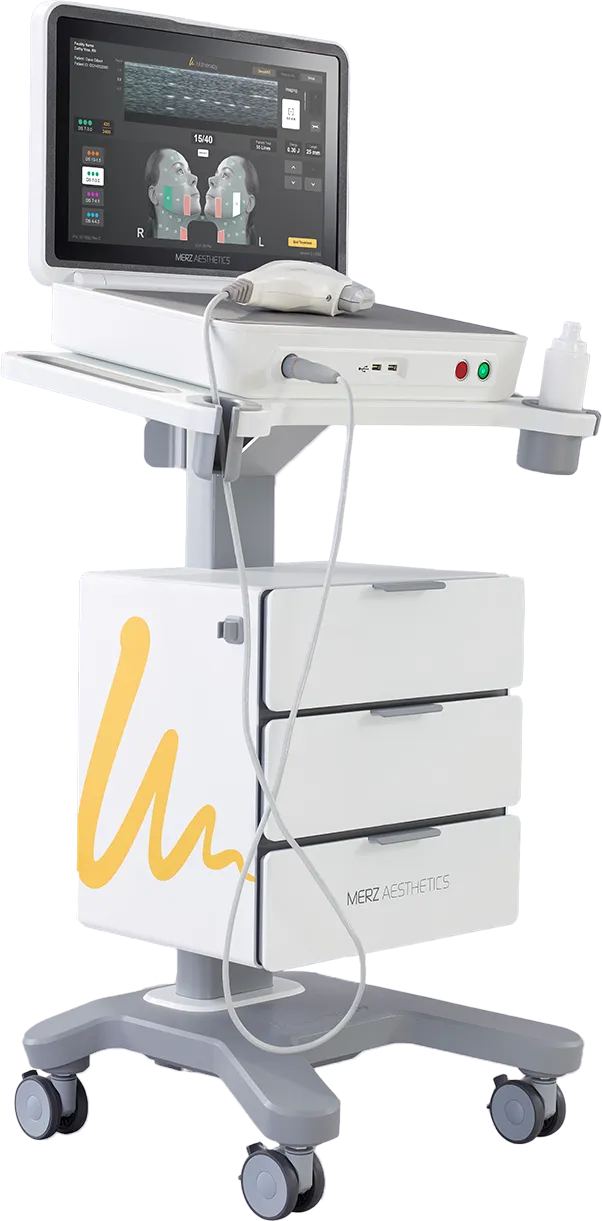
Ultherapy PRIME · manufacturer or supplier reference image

At a glance

Treatment at a glance
ItemDetails
DeviceUltherapy PRIME
MechanismMFU-V combines real-time imaging and microfocused ultrasound
ImagingChecking underlying tissue and handpiece contact
Treatment depth1.5/3.0/4.5mm by transducer. Actual layers vary by person and area.
Main concernsBrow/jawline sagging and reduced firmness
Treatment timeVaries with shots/scope; consultation, preparation and anesthesia are additional
PainHeat, prickling and deep stimulation possible; individual pain management needed
Assessing ResultsGradual changes assessed over about 2–3 months
Maintenance & Further TreatmentMay last about 1 year or longer; further treatment follows response
RecoveryDaily activities often possible the same day; redness, swelling or tenderness may occur
Reactions to MonitorRedness, swelling, pain, temporary sensory/movement changes, burns or blisters

What is Ultherapy PRIME?

Ultherapy PRIME uses real-time imaging while delivering microfocused ultrasound at target depths. Small coagulation points induce collagen remodeling during recovery for sagging and firmness.

Similar-looking sagging can involve different skin/fat thickness and tissue position. Assessment and imaging guide scope, depth and lines.

How does it differ from earlier Ultherapy?

Ultherapy PRIME is a successor platform retaining the earlier Ultherapy's DeepSEE real-time imaging and microfocused ultrasound principles. Earlier Ultherapy also has imaging to view beneath the skin.

PRIME improves the screen, image presentation, processing speed and usability, supporting tissue assessment and treatment planning. Actual duration, pain and results vary with area, line count, settings and skin.

Who may be suitable?

  • When blurred jawline or lower-face sagging concerns you
  • When brow-area sagging makes the eyes look heavy
  • When skin feels loose and less firm
  • When you want to discuss nonsurgical lifting

Hollows from volume loss must be distinguished from sagging. Low-fat or already hollow faces need careful scope/need decisions. Severe sagging requires explaining nonsurgical limits.

What to check before treatment

Disclose wounds, inflammation or severe acne in the area, electronic or metal implants, pregnancy or breastfeeding. We also review filler, threads, surgery, other energy treatments, medications and skin conditions.

The manufacturer's guide does not recommend direct treatment over filler. We check product type, location and time since injection to determine the treatment area and schedule.

How does it work?

Focused ultrasound creates small thermal coagulation points at target depths. Collagen remodels during tissue recovery, allowing potential changes in firmness and sagging.

1.5/3.0/4.5mm are focal depths. Even 4.5mm does not always mean fascia in every person/area. Imaging confirms tissue position before depth selection.

DeepSEE images help confirm target tissue location and handpiece contact. Imaging does not eliminate adverse-effect risk; scope, settings and skin response still need assessment.

Are more shots better?

Line count follows skin and scope. Equal counts can mean different treatment according to allocation by depth and location.

WayB explains depth/distribution alongside total shots, planning sufficient care while avoiding unnecessary overlap and unwanted volume changes.

How is the treatment performed?

  1. Assessment & Consultation: Distinguish sagging/hollows; assess skin, history and goals.
  2. Photography & Area Marking: Photograph for comparison and mark areas and zones to avoid.
  3. Pain Management & Preparation: Prepare according to sensitivity and apply ultrasound gel.
  4. Imaging & Treatment: Deliver energy while checking depth/contact with real-time imaging.
  5. Follow-up Guide: Check immediate response and explain recovery precautions/contact symptoms.

EVE MUSE may inform surface assessment, symmetry and progress comparisons. Internal tissue is assessed with Ultherapy PRIME ultrasound images.

How long does treatment take?

Duration depends on shots and scope. Visit estimates also include consultation, preparation and anesthesia.

When do results appear, and how long do they last?

Immediate tightness or change may include swelling and is not the final result. We assess skin/contour changes over about 2–3 months.

One session may last about 1 year or longer, with variation from skin, weight and lifestyle. We plan repetition after early/later response rather than fixed dates.

Recovery & Precautions

  • Temporary redness, swelling, heat and tenderness may occur.
  • Numbness, tingling or expression changes may occur; report unexpected symptoms.
  • Avoid strong massage, irritating care and excessive heat during recovery; maintain moisturizing and sunscreen.
  • Intervals from injections, laser or threads depend on type, area and recovery.
  • Tell us important events at consultation. Recovery speed varies.

Contact us for blisters/weeping, worsening redness/pain, one-sided sensory/expression changes or unexpected hollows/contours. Worsening symptoms need assessment without waiting for a set recovery period.

How we proceed at WayB

Viewing Beneath the Skin

Ultrasound images show thickness and tissue position. We consider visible contours and underlying structure together.

Planning by Area

We set needed scope, depth and lines, separately assessing thin/low-volume areas and prior filler/surgery sites.

Treatment with imaging and response checks

We check contact and target depth. Tell us promptly about major discomfort; sensitivity and response guide procedural adjustments.

Related Treatments

04 · QUESTIONS

Frequently Asked Questions

Does PRIME introduce ultrasound imaging absent from earlier Ultherapy?

Earlier Ultherapy also has DeepSEE real-time imaging. PRIME builds on it with improved display, imaging presentation, processing performance and usability.

Is it very painful?

Heat, prickling and deep stimulation may be felt, varying by area and sensitivity. Pain management and procedural adjustments reduce burden while we monitor discomfort.

Do more shots mean better results?

The line count should suit skin condition and scope. Allocation to specific depths and positions matters alongside total count, so planning is based on assessment and imaging rather than simply increasing it.

When will I see results?

Early changes may occur, but gradual progress is generally assessed over 2–3 months. Immediate swelling differs from lasting firmness change.

How often should I receive treatment?

Initial/later changes guide further treatment. Effects may last about 1 year or longer, varying individually; no uniform repeat cycle.

Can I receive it with existing filler or threads?

Generally, Ultherapy PRIME may be considered after checking skin about 1 month after filler/threads. Product type/location and swelling/inflammation may change timing. We plan depth/scope to avoid direct delivery over filler and review thread history.

References

References for general treatment information. Please confirm your individual plan with the medical team.

It is okay to feel nervous about your first treatment.
You are welcome to visit even if you have not decided which treatment to choose.

Consultation inquiry