English

Select language LANGUAGE

한국어KakaoTalk consultation
EnglishWhatsApp consultation
日本語LINE consultation
中文 (繁體)LINE consultation
Choose your language
Book

Lifting · Firmness

Blue Rose Thread Lift

A thread lift considering Forte/Multi structure and sagging direction.

Reviewed by the medical team · 2026.09.14
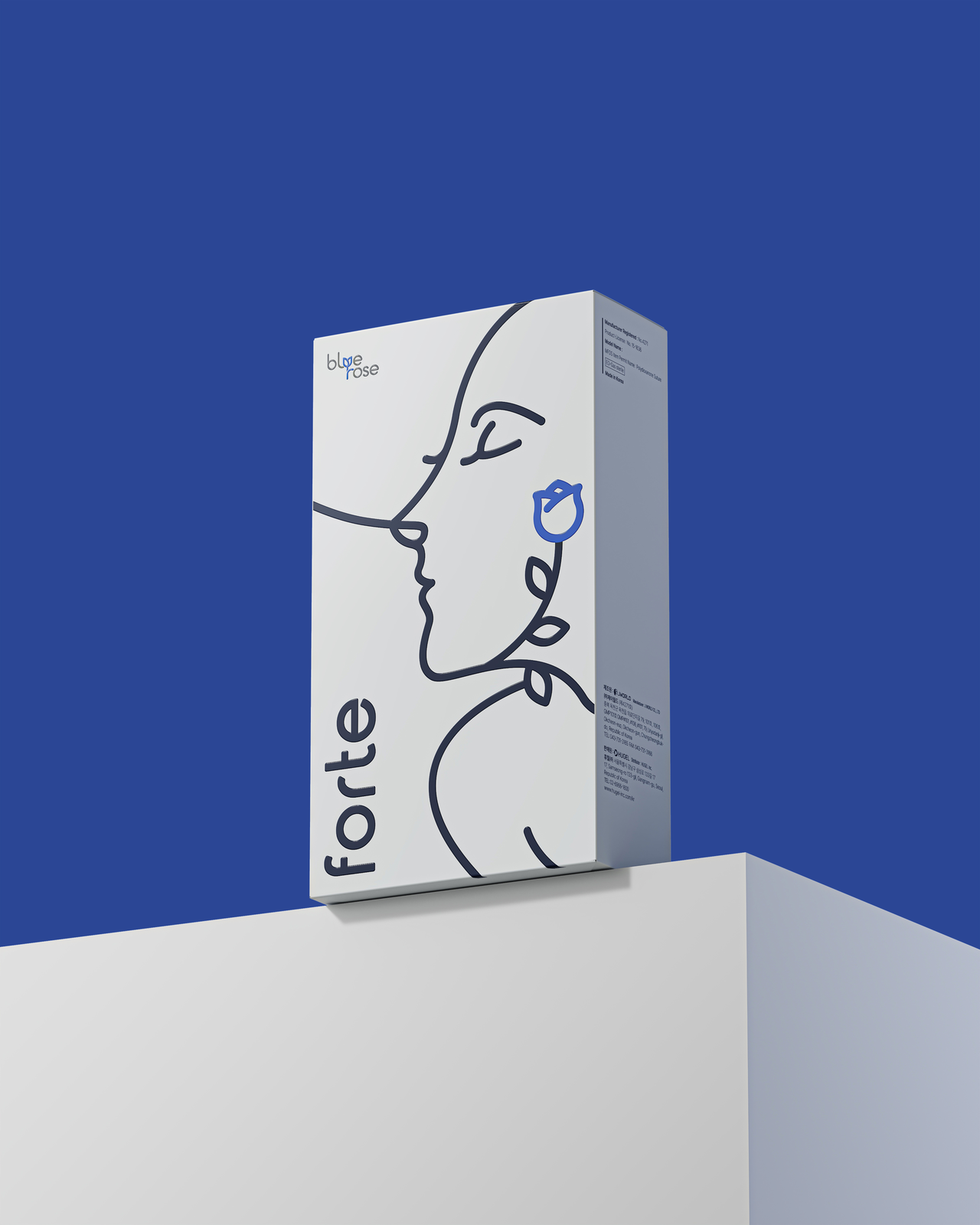
Blue Rose Thread Lift · manufacturer or supplier reference image

What is Blue Rose Thread Lift?

Blue Rose lifting uses thread structure to support sagging tissue and refine contours. WayB selects Forte or Multi for skin and support direction, assessing where sagging starts and surrounding volume rather than simply pulling the whole face strongly.

Blue Rose at a Glance

Treatment at a glance
CategoryGuide
Product families used in the clinicBlue Rose Forte · Multi
Product checkAbsorbable PDO threads. Confirm the actual product and thread form at consultation.
Concerns assessedCheek/jawline sagging and required tissue-support direction
Differences from other threadsDifferent goals and structures from smooth mono threads or coiled JAMBER threads
Planning criteriaThickness, fat, hollows, expressions and treatment history

Considering thread structure and support direction together

Forte and Multi are not one identical thread. Manufacturer information shows different configurations. Support scope and movement guide selection of the actual form; materials and features of other lineups are not substituted for Forte/Multi information.

Cogs engage tissue for support. Pulling direction and placement affect contour changes. We distinguish descended tissue from pre-existing hollows rather than judging only excess skin.

Which concerns should I discuss first?

  • When sagging cheeks or jawline blur contours and you want to compare support methods
  • When volume loss and sagging coexist and you want to decide which to address first
  • When you want to understand whether energy lifting or thread lifting suits your skin

With thin skin or little fat, we carefully assess visibility and irregularity risks. Strong pulling across the whole face or many threads is not suitable for everyone.

What should I disclose before treatment?

  • Types and dates of previous thread lifts, filler and facial surgery
  • Current medications, bleeding tendency, allergies and skin inflammation
  • Previous persistent pain, exposed threads or scar reactions
  • Important events and desired degree of change

WayB's treatment plan

  • Contour check: We distinguish sagging and hollowness from front, profile and expression views.
  • Support direction: We explain product form, placement scope, anesthesia and expected discomfort.
  • Placement and check: After treatment in the planned direction, we check symmetry and the skin surface.
  • Recovery guidance: We distinguish pulling and swelling from changes requiring contact.

What do you check during recovery?

Swelling, bruising, pressure tenderness and pulling may occur; recovery varies by area and plan. Avoid strong pressure or rubbing and adjust activities as instructed. Initial swelling does not define final contours.

Report worsening asymmetry or irregularity, visible or protruding threads, and persistent or worsening pain or heat. Do not pull or cut exposed threads yourself.

How changes are assessed

We assess contours while distinguishing thread support from recovery responses. Duration and repetition are not based solely on thread absorption; current sagging, volume and previous progress matter.

04 · QUESTIONS

Frequently Asked Questions

How do you choose Blue Rose Forte or Multi?

We do not choose by product name or thread count alone. Sagging direction, needed support and skin thickness guide thread type and placement. Confirm the actual product and reason for selection at consultation.

Are mono threads and Blue Rose lifting the same?

Both use threads but have different goals. Blue Rose cog lifting considers the direction of tissue support; mono threads are used for firmness. We first identify whether sagging or texture is the main concern.

Can the whole face be pulled if my cheeks are hollow?

Major hollows and sagging need distinction. Little fat or thin skin may reveal threads or irregularities, so we first assess volume and suitability.

Do more threads produce more lift?

Count alone cannot predict outcomes. The tissue supported, direction, thread position and skin all matter. Understand scope and limits before deciding.

How do you assess immediate pulling and surface irregularities?

Early swelling and pulling may occur. Worsening irregularity or asymmetry, or persistent pain, should not be assumed to be normal recovery. Contact the clinic; avoid strong pressure or self-massage.

Must threads be repeated when results wear off?

Instead of repeating on fixed dates, we assess contours, volume, previous thread type and timing. Thread absorption and visible result duration differ; repeat treatment follows assessment.

References

References for general treatment information. Please confirm your individual plan with the medical team.

It is okay to feel nervous about your first treatment.
You are welcome to visit even if you have not decided which treatment to choose.

Consultation inquiry