English

Select language LANGUAGE

한국어KakaoTalk consultation
EnglishWhatsApp consultation
日本語LINE consultation
中文 (繁體)LINE consultation
Choose your language
Book

Lifting · Firmness

Thread Lift

Refining facial contours, nose lines and volume

Reviewed by the medical team · 2026.09.14
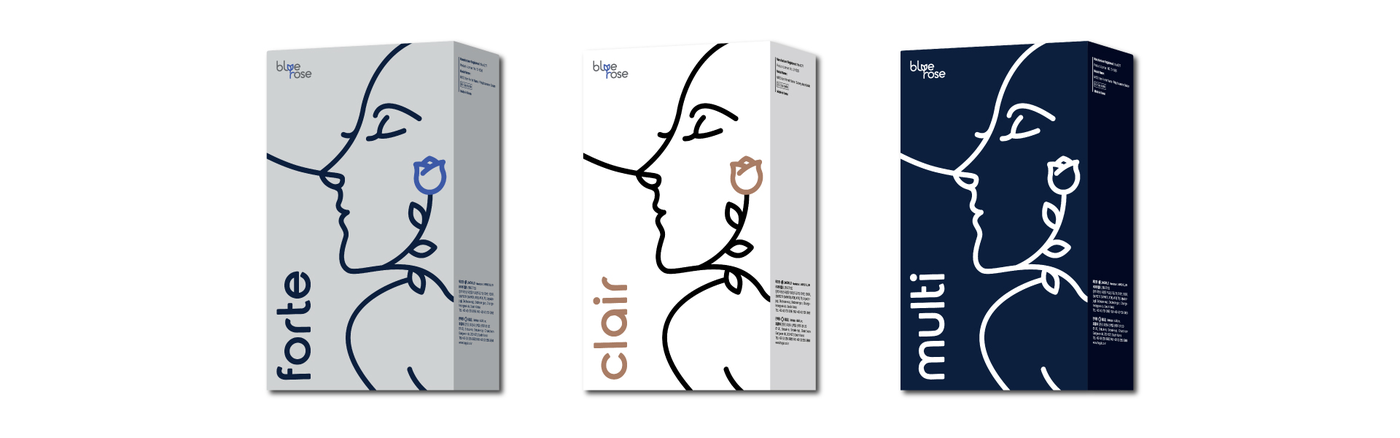
Blue Rose Forte · manufacturer or supplier reference image

Thread lifting supports tissue with slowly absorbed PDO to enhance contour/volume. Depending on shape and technique, it may pull sagging tissue, refine nose contours or support hollows.

WayB uses Blue Rose Forte/Multi/Mono, TAPSCO and JAMBER. Thickness, sagging direction and volume loss guide thread and method selection for goals.

Treatment differences at a glance

Treatment at a glance
CategoryMain role
Blue Rose Forte · MultiThread structures support tissue and sagging contours
Mono ThreadsFirmness through recovery and collagen around threads
TAPSCO Nose Thread LiftNasal tissue support for bridge/tip contours
JAMBERSpring threads for hollow volume and firmness

Blue Rose — supporting sagging tissue and refining contours

Blue Rose places absorbable threads beneath skin to support sagging and enhance contours. Cheek/jawline assessment determines sites and directions.

Even similar jawline concerns vary in laxity, fat and hollow location. WayB assesses overall volume and expression to set scope.

What are Blue Rose Forte and Multi?

Blue Rose Forte and Multi use absorbable PDO (polydioxanone).

Forte's structure supports tissue and skin condition. Multi's cogs engage, pull and support tissue. Thickness, sagging direction and needed support guide selection.

How do cog and mono threads differ?

Cog threads have barbs that grip, pull and support sagging tissue.

Mono threads are smooth and unbarbed. Rather than hooking/pulling, they use surrounding recovery/collagen formation for firmness.

Choice depends on lifting tissue versus improving firmness. Count alone does not determine results; type, location, direction and depth matter.

Mono Threads | Firming through collagen formation

Mono threads are fine, absorbable and unbarbed, placed beneath skin. This form of thread embedding uses surrounding recovery and collagen formation to help firmness and fine lines.

01. Recovery begins with thread insertion

Minor stimulation from insertion and tissue response induce recovery.

02. New Collagen Formation

Collagen-producing fibroblasts activate, forming new collagen and connective tissue around threads.

03. Remodeling as Threads Absorb

PDO gradually breaks down and absorbs while surrounding tissue remodels.

From firmness to texture around stretch marks

Used for firmness and fine lines; may be considered as an adjunct for stretch-mark texture. Responses vary with skin and mark age/depth.

TAPSCO — refining bridge and tip contours

TAPSCO uses PDO to support nasal tissue and refine bridge/tip. Design considers height and profile continuity from forehead to lips/chin.

Feasible change varies with thickness and structure, unlike direct bone/cartilage surgery. Prior rhinoplasty/filler/threads require material/date checks.

JAMBER — caring for hollow volume and firmness

JAMBER uses tightly coiled PDO volume threads. Coils support tissue like small scaffolds, refining hollow contours/volume and inducing surrounding collagen for firmness.

Its role differs from directional cog support. Hollow severity, thickness and expression guide needed placement.

Who may be suitable?

  • When you want to refine sagging cheeks and jawline
  • When you want directional support for lax tissue
  • When reduced firmness and localized hollows coexist
  • When you want nonsurgical bridge/tip refinement
  • When you want to compare threads with energy lifting or filler

If hollowness predominates, assess volume options first. Very thin or low-fat areas risk visibility or dimpling, requiring careful suitability/depth decisions.

What to check before treatment

Disclose pregnancy/breastfeeding, medications, bleeding-related conditions/drugs, keloids and autoimmune disease. Local inflammation/infection may require treatment first.

We check previous filler, threads and surgery. For nose treatment, implants, injected materials and skin determine suitability.

How is the treatment performed?

  1. Assessment & Design: We assess sagging, hollows, thickness and proportions, choosing type/count/sites/routes for goals.
  2. Anesthesia & Preparation: We provide area-appropriate local anesthesia and prepare insertion sites.
  3. Thread Placement: According to structure and purpose, threads pull/support tissue or refine nasal lines/hollows.
  4. Shape & Movement Check: We check symmetry, expression movement and surface, then finish insertion sites.
  5. Recovery Guidance: We explain area-specific precautions, review schedule and contact symptoms.

When do results appear, and how long do they last?

Blue Rose cogs can produce immediate tissue-pulling changes. Early swelling/pulling coexist, so contours and natural expression are assessed through recovery.

Blue Rose facial effects typically last about 6–18 months, varying with method and skin. TAPSCO/JAMBER duration varies by site and goal. PDO slowly absorbs while inducing collagen, so absorption does not immediately end effects. Contour/volume changes guide further care.

Recovery & Precautions

Swelling, bruising, tenderness, pulling and foreign-body sensation may occur. Surface unevenness/asymmetry, visible/exposed threads, infection or persistent pain are possible.

Avoid strong pressure/massage during recovery. After nasal treatment, avoid twisting/pressure and adjust eyewear as instructed.

Contact us promptly for worsening depressions/asymmetry, exposed threads, worsening pain/heat, pus or fever. Do not pull or cut threads yourself.

How we proceed at WayB

  • We first identify whether sagging, hollows or nose contours predominate.
  • Distinguish areas needing threads from those needing energy or volume care.
  • Thread type and depth require care in thin skin.
  • We consider position, direction and overall balance alongside count.
  • We explain actions to avoid and symptoms requiring contact.

Related Treatments

04 · QUESTIONS

Frequently Asked Questions

Do I need Blue Rose, TAPSCO and JAMBER together?

No. Blue Rose focuses on facial contours, TAPSCO on nose lines, JAMBER on localized volume/firmness. We select needed care, considering combinations only for overlapping concerns.

Do threads remain permanently?

WayB's PDO threads break down and absorb over time. Absorption speed and visible duration differ and vary individually.

Do more threads mean better results?

Count alone does not determine effects. Appropriate threads placed at needed positions/directions for thickness and tissue matter.

How painful is it?

Local anesthesia is used; pressure/pulling may occur during treatment. Pulling/tenderness can persist afterward, varying by area and individual.

Which comes first, Ultherapy or threads?

Direction/degree of sagging, thickness, goals and schedule guide selection. We explain energy-induced tissue response versus direct thread support and plan needed care.

Can expressions look unnatural?

Initial pulling or unusual expression may occur after facial lifting. Report persistent or worsening discomfort regardless of recovery timing.

How many recovery days should I allow?

After facial threads, swelling/pulling may last about 3–7 days; bruising/discomfort may last longer. Allow about 2 weeks or more before events. Nose/volume threads need area-specific guidance.

References

References for general treatment information. Please confirm your individual plan with the medical team.

It is okay to feel nervous about your first treatment.
You are welcome to visit even if you have not decided which treatment to choose.

Consultation inquiry